
Battery Manufacturing 101: How Cells Are Made and Where Engineering Fits
Nov 3, 2026 | 2 min read
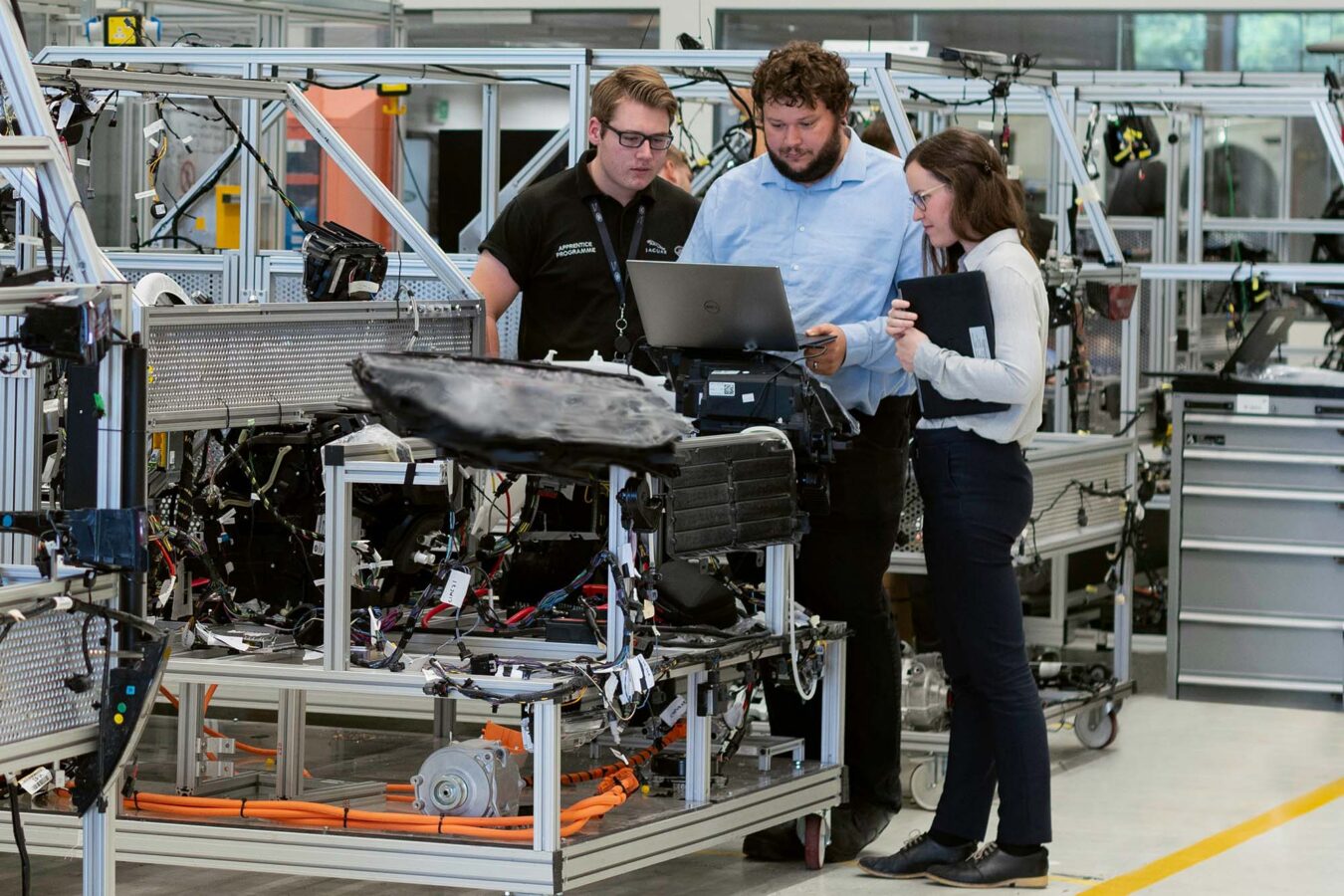
A lithium-ion battery cell starts as a slurry and ends as a tested, traceable product. Between those two points, a cell passes through mixing, coating, drying, calendaring, slitting, stacking, welding, electrolyte filling, formation, aging, and final inspection. Each step depends on equipment that holds tight tolerances and on data that proves it did.
This article walks through how a cell is made, points to the places where automation and plant data carry the most weight, and explains why DISHER’s controls, machine design, manufacturing engineering, and capital project capabilities line up with that work.
Key Takeaways
- Cell manufacturing runs in four stages: electrode making, cell assembly, formation and testing, and module assembly, following Chemical Processing’s 11-step overview.
- Measurement shows up at nearly every step, from weighing cells before and after electrolyte filling to insulation testing at the end.
- Traceability is part of the line itself. Cell assembly records raw materials, manufacturing history, quality, and manufacturing date for later cell identification.
- DISHER’s automation engineering, machine design, manufacturing engineering, and capital project management teams cover the engineering work around a line like this.
- The DISHER capabilities described here come from the company’s published service pages, not from a specific cell-manufacturing project.
How is a lithium-ion battery cell made?
Barry Perlmutter’s 11-step overview in Chemical Processing groups naturally into four stages.
Stage one: making the electrodes. Slurry mixing combines solids and liquids into cathode and anode slurries. Coating applies the cathode slurry to carbon-coated aluminum foil and the anode material to copper foil, and the foils act as current collectors. Drying removes solvent in heated roller ovens, and infrared systems can increase drying speed. Calendaring passes the sheets through rollers to compress the material, raise its density, and keep thickness consistent. Slitting and notching cut the electrode into strips and form the tabs for the positive and negative terminals, using infrared edge positioning and laser notching to hold size.
Stage two: assembling the cell. Stacking or winding layers the cathode foils, anode foils, and separator, and every layer must align precisely. Cell assembly welds components into cans, leak-tests them, and bakes them in an oven for about eight hours. Electrolyte filling follows and may take up to several hours, with weighing before and after filling, pressure measurements, and a soak period before certification.
Stage three: formation and testing. Formation activates the cell electrochemically. It charges and discharges the cell to build the solid electrolyte interface (SEI) on the anode, then degasses and reseals it. Aging stores the cells to stabilize that layer, and tests for capacity, voltage, and cycle life follow. Final checks include cell weighing, size inspection, insulation testing, data traceability, and certification.
Stage four: module assembly. Finished cells are assembled into modules and shipped to automakers, which build EV packs from them.
Where do automation and plant data matter most on a cell line?
The following is DISHER’s read of the process above.
Nearly every step in those four stages produces a number that someone has to capture and act on. Foil alignment, oven bake time, fill weight, leak test results, formation cycling, and insulation readings each come from a measurement, and each measurement needs a controller that responds and a system that records the result. Because cell assembly also logs raw materials, manufacturing history, quality, and manufacturing date for later identification, the data does not stay on the machine. It travels with the cell.
That pairing of precise equipment and a reliable data record is the engineering problem at the center of a battery line.
Why is DISHER positioned for battery manufacturing work?
The following is DISHER’s read of its own capabilities against the process above.
Controls and plant data. DISHER’s automation engineering team offers industrial controls, described as “designing and programming control systems that keep your machines running smoothly and safely.” The same page lists systems integration, “connecting equipment, software, and processes into a seamless system,” and SCADA/MES solutions that “turn plant data into actionable insights.” The page also states that “our engineers design, build, program, and test automation systems.” Those services map to the measurement and traceability demands described above.
Test systems and automated equipment. DISHER’s machine design page lists end-of-line test systems that combine software, instrumentation, panels and enclosures, and part-handling machinery. It also lists robotic work cells that help clients automate tasks “that are unsafe, unpleasant, or repetitive.” The page names alternative energy among the industries DISHER reaches.
Quality and process improvement. DISHER’s manufacturing engineering page describes quality work as “processes and systems that reduce defects and improve consistency in every product,” alongside Lean and Six Sigma practices for finding waste. Consistency is the measure a cell line lives by.
Standing up a new line or facility. DISHER’s capital project management practice acts as an owner’s representative, “overseeing contractors, budget, and schedules to protect your investment.” A DISHER case study, Developing new manufacturing processes and systems, describes work for a hydraulic-products manufacturer. DISHER built a plan covering process development, equipment development, quality systems, supplier selection, and staffing, and the work included designing tooling for assembly equipment from Japan. That client does not make batteries, and the scope shows how DISHER approaches a new production line from the first plan forward.
Talk with our team about controls, automated equipment, new production lines, or facility projects through the DISHER contact page.
Frequently Asked Questions
What are the main steps in making a lithium-ion cell? Electrode making, cell assembly, formation and testing, and module assembly, per Chemical Processing.
Why does traceability matter in battery manufacturing? Chemical Processing describes data collected during cell assembly that records raw materials, manufacturing history, quality, and manufacturing date so each cell can be identified later.
What does automation engineering cover at DISHER? Industrial controls, machine design, systems integration, and SCADA/MES solutions, per the DISHER automation engineering page.
Does DISHER help with new production facilities? DISHER’s capital project management team acts as an owner’s representative on facility upgrades and expansions.
Written By:

DISHER
Communications Team
DISHER Newsletter
Sign up to receive articles and insights, delivered monthly.
Schedule a no-committment project call
Reach out to discuss your project to find out if DISHER could be a good fit for you.