

You’ve spent months, maybe years, developing a product. And then the product lands at its destination compromised, out of range, or completely ruined because the packaging couldn’t hold temperature during transit.
It’s a frustrating and costly problem. And it’s more common than most teams expect.
If you’re developing a temperature-sensitive product in the food and beverage, medical, or other regulated industry, understanding cold chain packaging is important. Get it right, and your product arrives safe and effective every time. Get it wrong, and you’re dealing with product loss, regulatory headaches, and damaged customer trust.
This article explains what cold chain packaging is, how it works, and three real-world use cases where it makes or breaks the product.
Key Takeaways
- Cold chain packaging is an engineered system, not a commodity purchase.
- In regulated industries like food and beverage and medical, cold chain packaging must perform and be documented.
- The right packaging solution depends on your temperature range, transit time, distribution environment, and cost targets.
- Planning for packaging early in product development saves time and cost.
What Is Cold Chain Packaging?
Cold chain packaging refers to the materials, systems, and design solutions used to maintain a specific temperature range for a product throughout storage and transit.
That sounds straightforward but in practice, it requires a systems-level approach that accounts for ambient temperature swings, transit duration, handling conditions, package orientation, and regulatory documentation requirements. That’s all to say that cold chain packaging is not just a cooler with an ice pack.
The Key Components of a Cold Chain System
Most cold chain packaging systems include some combination of the following:
- Thermal insulation: Foam, vacuum insulated panels (VIPs), or reflective barriers that slow heat transfer
- Refrigerant systems: Dry ice, gel packs, phase change materials (PCMs), or liquid nitrogen depending on required temperature range
- Data loggers and temperature monitors: Devices that track and record temperature throughout the journey
- Outer packaging: Corrugated shippers or rigid containers designed to protect the inner system
- Qualification documentation: Thermal performance testing data required for regulated industries
Each component is interdependent. A high-performing insulation system paired with the wrong refrigerant can still fail. That’s why cold chain packaging design needs to be treated as a system, not a collection of off-the-shelf parts.
Cold Chain Packaging Options at a Glance
| Packaging Type | Temp Range | Hold Time | Common Use Cases |
|---|---|---|---|
| Dry Ice Packaging | -78°C and below | 24-72 hours | Biologics, vaccines, plasma |
| Gel Pack / PCM Systems | 2°C to 8°C | 24-96 hours | Insulin, diagnostics, food ingredients |
| Insulated Foam Shippers | Ambient to refrigerated | 12-48 hours | Ready meals, fresh produce, OTC meds |
| Cryogenic Dewars | 196°C (LN2) | Days to weeks | Cell/gene therapy, tissue samples |
| Vacuum Insulated Panels | -20°C to 25°C | Up to 120 hours | Pharma, cold chain logistics |
Why It Matters in Regulated Industries
In food and beverage and medical industries, is a compliance requirement, not just a logistics consideration.
For medical devices and pharmaceuticals, temperature excursions can compromise product efficacy, render biologics unusable, and trigger recalls. The FDA, ISO standards, and international shipping regulations all have specific requirements around temperature control, monitoring, and documentation.
For food and beverage applications, temperature deviations create food safety risks and can violate FSMA (Food Safety Modernization Act) requirements. Perishable goods that fall out of temperature range can’t just be re-chilled and shipped because they’re a liability.
In both cases, the packaging has to perform AND be documented to prove it performed. That dual requirement is where engineering rigor becomes non-negotiable.
3 Cold Chain Packaging Use Cases
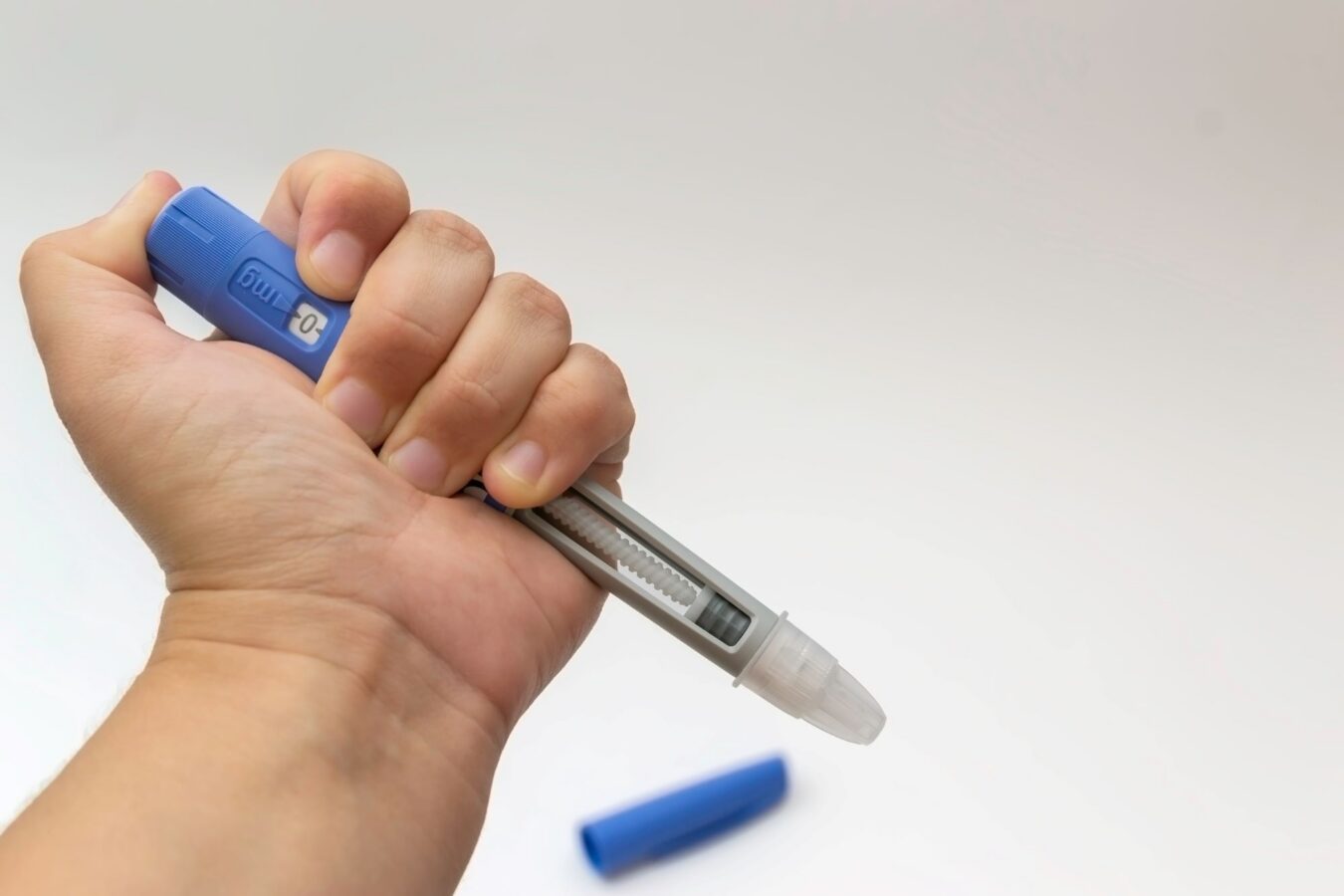
Use Case 1: Injectable Drug Delivery Devices (Medical)
Injectable drug delivery devices (auto-injectors, pre-filled syringes, combination products) present a unique cold chain engineering challenge. The device and the drug are often a single integrated system, and the drug component typically requires refrigerated storage between 2°C and 8°C.
The packaging has to maintain that range through manufacturing, storage, distribution, and often retail or home use. In some cases, the end user is a patient managing a chronic condition at home, which means the packaging also has to be simple enough for a non-clinical setting.
The Engineering Challenge
Design teams developing combination products in this space have to solve for:
- Maintaining 2°C to 8°C across varying ambient temperatures (warehouse, vehicle, front door in July)
- Packaging that passes ISTA or ASTM testing for thermal and transit performance
- Regulatory submission-ready documentation that proves the system performs within spec
- User experience considerations, as the package has to be easy to open and intuitive to use
We’ve seen teams underestimate the user experience side of this. A thermally validated package that’s difficult to open or doesn’t clearly communicate storage instructions creates compliance risk downstream. Cold chain packaging for combination products has to work for regulators and for real people.
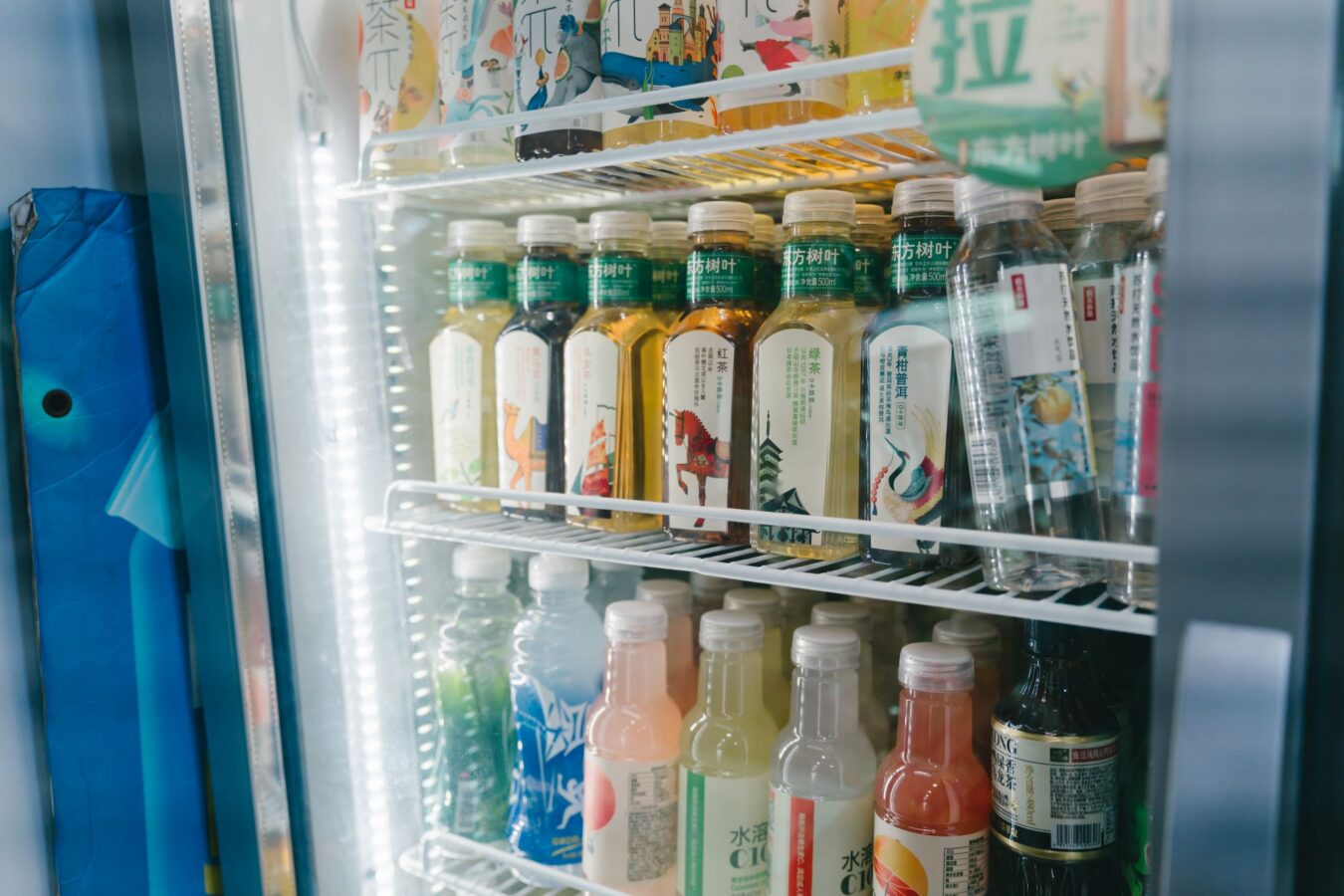
Use Case 2: Shelf-Stable vs. Refrigerated Beverage Packaging (Food & Beverage)
Not every food and beverage product needs aggressive cold chain management. But the line between shelf-stable and refrigerated is drawn based on formulation, packaging, and processing.
When a brand launches a new beverage that requires refrigeration (e.g., probiotic drinks, cold-brew coffee with dairy, fresh-pressed juices), the cold chain packaging system needs to become part of the product launch strategy.
The Engineering Challenge
For beverage manufacturers, the cold chain packaging design challenge typically includes:
- Defining the allowable temperature range and hold time based on product shelf life and safety data
- Selecting packaging materials that maintain temperature across the full distribution network, including last-mile delivery
- Designing for retail display conditions, where product may sit in a delivery staging area before being stocked
- Balancing cost-per-unit on packaging against product margin and volume
On top of all this, thermal packaging adds cost. For high-volume consumer beverages, even a modest per-unit increase in packaging cost can significantly erode margin. Engineering teams have to get creative, which sometimes means designing a tiered system that is more robust packaging for long-haul distribution, lighter insulation for short-range retail delivery.
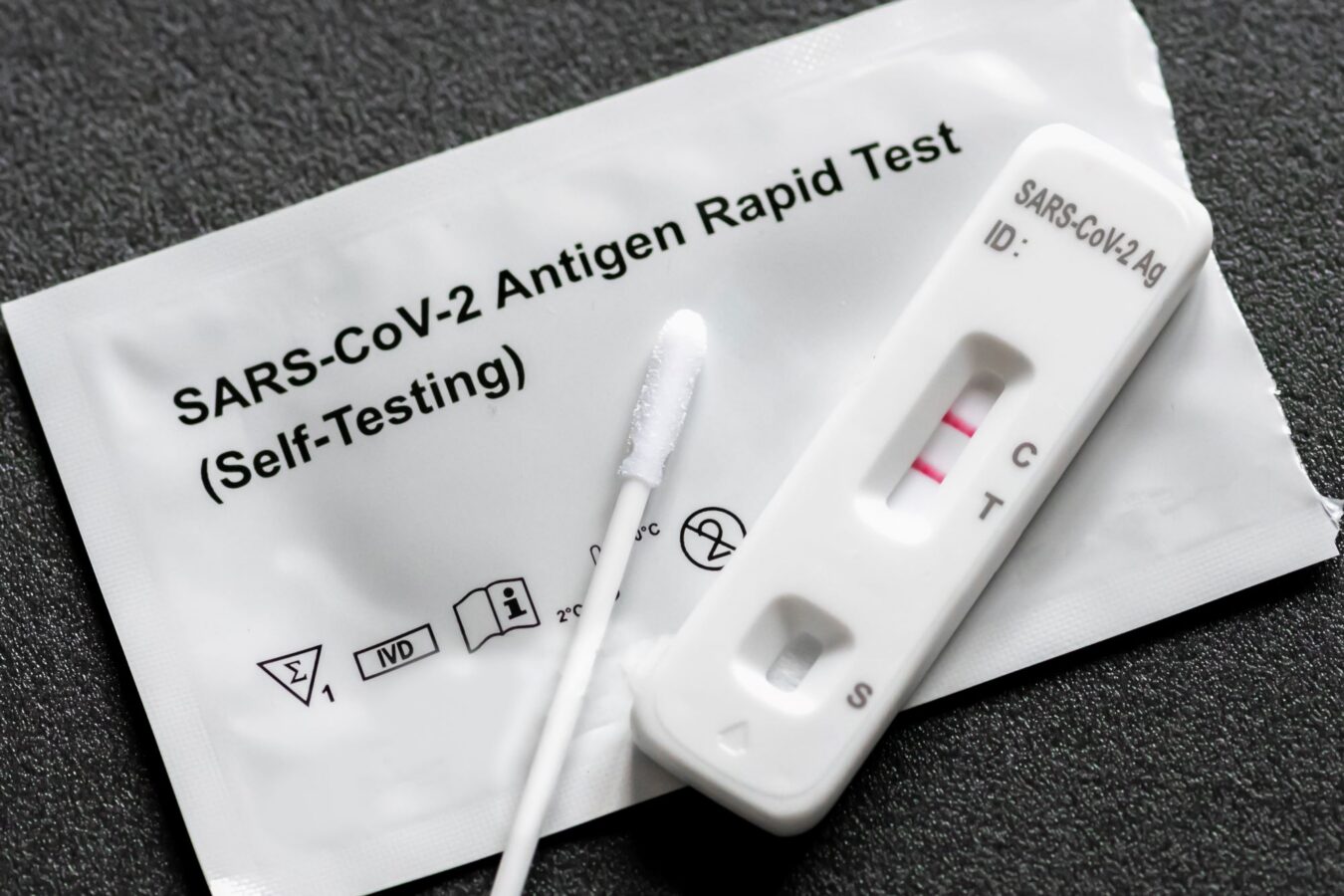
Use Case 3: In-Vitro Diagnostic (IVD) Kits (Medical)
In-vitro diagnostic kits (think COVID tests, blood glucose strips, or pathogen detection panels) rely on reagents and biological components that degrade rapidly outside of their required temperature range. Many IVD products require cold chain between 2°C and 8°C, and some components require freezer-stable conditions at -20°C or below.
When these products scale from clinical settings to direct-to-consumer or point-of-care distribution, the cold chain packaging challenge intensifies.
The Engineering Challenge
IVD manufacturers scaling distribution face:
- Multi-component kits where different elements may have different temperature requirements within the same package
- Transit routes that span time zones, climates, and varying handling quality
- Packaging that must meet FDA 21 CFR Part 820 quality system requirements and may require 510(k) or De Novo submissions that reference packaging performance
- Shelf life validation that accounts for temperature excursions during transit as part of total product life
The regulatory documentation piece is often where teams run into delays. Getting a cold chain packaging system qualified isn’t just about running a thermal test but generating documented evidence (e.g., thermal mapping studies, excursion analysis, stability data) that satisfies FDA expectations. Planning for that documentation effort early in the design phase saves significant time at submission.
What to Consider Before Selecting a Cold Chain Packaging System
Before you start evaluating specific packaging options, it helps to get clear on a few foundational questions:
- What is the required temperature range and allowable excursion window?
- What is the maximum expected transit time, including any potential delays?
- What are the ambient temperature extremes your product will encounter seasonally or geographically?
- What documentation does your regulatory pathway require?
- What is the end-user experience, and what constraints does that create?
- What is the target cost per shipment, and what volume are you designing for?
These questions don’t all have easy answers, but they’re the right starting point. Cold chain packaging decisions made in isolation from the distribution strategy, regulatory requirements, or user experience often need to be redone.
How We Can Help
At DISHER Engineering, we work with medical device and food and beverage companies to engineer product development and manufacturing solutions that account for the full product lifecycle, including how the product gets from your facility to the end user safely and in spec.
Whether you’re developing a combination product that needs cold chain validation, scaling a refrigerated food product to a national distribution network, or trying to get an IVD kit to market with a tight submission timeline, our product development team has experience navigating the technical, regulatory, and commercial considerations that cold chain packaging requires.
Start the conversation by contacting us online.
DISHER Newsletter
Sign up to receive articles and insights, delivered monthly.
Schedule a no-committment project call
Reach out to discuss your project to find out if DISHER could be a good fit for you.