
The Medical Device Product Development Process: From Concept to Launch
Mar 20, 2026 | 2 min read
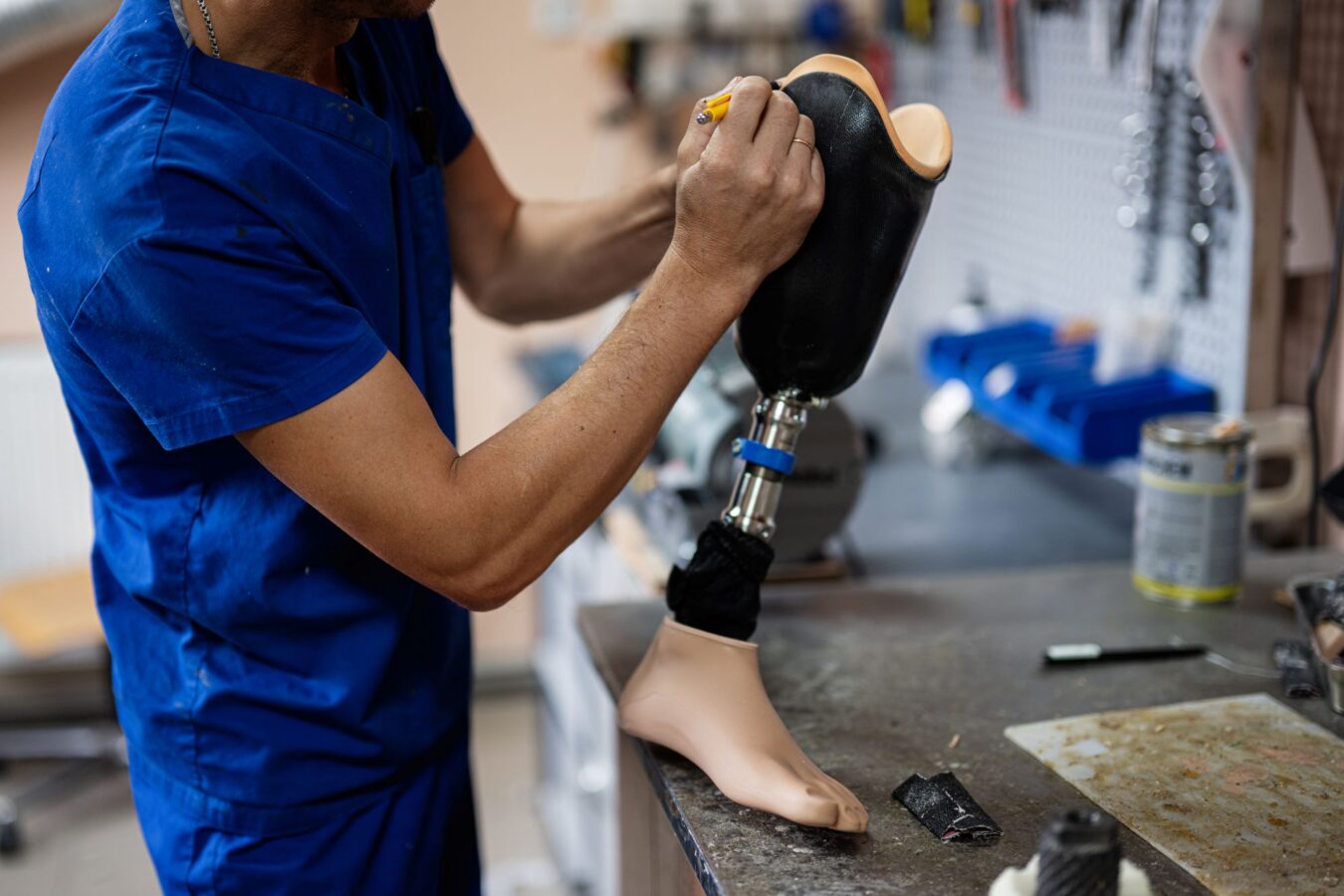
Launching a medical device is not a simple product release. It is a structured engineering and regulatory process that ensures the device is safe, effective, manufacturable, and compliant with global regulations.
At DISHER Engineering, we guide companies through the full medical device product development roadmap, from early concept work through engineering, validation, regulatory approval, and production launch. Each stage builds on the last and includes specific technical, regulatory, and manufacturing requirements that must be met before moving forward.
Medical Device Product Development Stages
Below is a breakdown of the key stages involved in bringing a medical device to market and what teams need to accomplish in each phase.
Stage 1: Concept and Design
Typical timeline: 3–6 months
Every successful medical device starts with a clearly defined problem and a validated product concept. The Concept and Design stage focuses on understanding user needs, defining product requirements, and determining whether the idea is technically and commercially viable. Engineers work closely with clinical experts, regulatory specialists, and product teams to define how the device should function and what requirements it must meet.
Typical activities during this stage include:
- Conducting user needs research and stakeholder interviews
- Creating product requirements documents
- Performing preliminary risk assessments
- Evaluating the regulatory pathway (510(k), pre-market approval, etc.)
- Identifying high-level design requirements
- Developing early concept sketches or models
- Creating a business case for development
Many teams also begin evaluating feasibility at this stage. This might include early technical exploration to confirm that key mechanisms, electronics, or materials can realistically meet the intended requirements. Without strong work in the concept phase, development often slows later due to unclear requirements or regulatory surprises.
Stage 2: R&D and Prototyping
Typical timeline: 6–12 months
Once the concept is defined, the next phase focuses on building and testing working prototypes. The R&D and Prototyping stage transforms design ideas into physical or functional models. Engineers refine the design, validate critical subsystems, and collect data that demonstrates the product can meet performance and safety requirements.
This phase typically includes:
- Developing detailed design outputs (drawings, specifications, BOMs)
- Building functional prototypes
- Conducting prototype testing and feasibility validation
- Performing risk analysis updates (FMEA)
- Running verification planning and early testing
- Evaluating manufacturability and production methods
Design controls become more structured during this stage. Documentation is created to support future regulatory submissions and ensure traceability between requirements, design decisions, and testing. Teams also begin thinking about how the device will ultimately be manufactured. Early manufacturing input helps prevent costly redesigns later.
Stage 3: Clinical Trials
Typical timeline: 12–24 months
After prototypes demonstrate acceptable performance, the device must be evaluated in real-world clinical settings. The Clinical Trials phase validates that the device performs safely and effectively when used by clinicians and patients. These studies generate clinical evidence required for regulatory submissions.
Key activities during this stage include:
- Obtaining Institutional Review Board (IRB) or ethics approvals
- Conducting clinical protocol finalization
- Recruiting study participants and running trials
- Collecting verification and clinical performance data
- Monitoring manufacturing process stability
- Documenting safety and efficacy results
- Managing adverse event reporting
Clinical studies can vary widely depending on the type of device and regulatory pathway. Some devices may qualify for smaller usability or performance studies, while others require extensive multi-site clinical trials. The data gathered here becomes a critical component of regulatory submissions.
Stage 4: Regulatory Approval
Typical timeline: 6–12 months
Before a medical device can be sold, regulatory agencies must review the device’s safety, effectiveness, and manufacturing controls. The Regulatory Approval stage involves compiling extensive documentation and submitting it to regulatory authorities such as the FDA or international regulators.
Common deliverables include:
- A complete Design History File (DHF)
- Final risk documentation
- Clinical evaluation reports (CER)
- Device labeling and instructions for use
- Regulatory submission packages such as:
- 510(k)
- Pre-market approvals
- Medical Device Submission (MDS)
- Responses to regulatory agency questions
The submission process often includes back-and-forth communication with regulatory bodies. Agencies may request clarification, additional testing data, or design documentation before granting approval. This phase requires strong documentation discipline because regulators must be able to trace every requirement through design, verification, and validation.
Stage 5: Product Launch
Typical timeline: 1–3 months, or more based on manufacturing line complexity and scale
Once regulatory approval is granted, the device moves into final production preparation and market introduction. The Product Launch phase ensures the device can be manufactured consistently at scale while meeting quality and regulatory requirements.
Activities typically include:
- Completing manufacturing validation (IQ/OQ/PQ)
- Establishing qualified supply chains and vendors
- Validating packaging and sterilization processes
- Finalizing marketing and labeling materials
- Preparing post-market surveillance plans
- Executing the commercial launch strategy
Manufacturing validation is particularly important in medical devices. Companies must prove that the production process consistently produces safe and effective products. This stage often involves close collaboration between engineering, operations, quality, and regulatory teams.
Key Gating Requirements by Phase
Each stage of development includes critical checkpoints that must be completed before moving forward. The table below summarizes typical gating items across the medical device development process.
| Development Phase | Key Requirements |
|---|---|
| Concept and Design | – User needs defined – Preliminary risk assessment – Regulatory pathway identified – High-level design requirements – Business case approval |
| R&D and Prototyping | – Design outputs finalized – Prototype testing results – Risk analysis updates (FMEA) – Verification plan approval – Manufacturability assessment |
| Clinical Trials | – IRB/ethics approvals – Clinical protocol finalized – Verification completed – Manufacturing controls stable – Safety and efficacy data collected |
| Regulatory Approval | – Design History File complete – Risk documentation finalized – Labeling and clinical reports prepared – Regulatory submission field – Agency questions addressed |
| Product Launch | – Manufacturing validation complete (IQ/OQ/PQ) – Suppliers qualified – Sterilization and packaging validated – Marketing and labeling finalized – Commercial launch readiness |
Move Your Medical Device to Market
Bringing a medical device to market is a multi-year effort, but a disciplined engineering process makes the journey far more predictable. When each stage is clearly defined and properly executed, organizations can move from concept to commercial launch with confidence.
If your team needs help navigating design, engineering, validation, or launch readiness, we can help. Tell us about your project here.
Written By:

Justin DeKoekkoek
Project Engineer
DISHER Newsletter
Sign up to receive articles and insights, delivered monthly.
Schedule a no-committment project call
Reach out to discuss your project to find out if DISHER could be a good fit for you.